What if the key to healthier ageing lies within our immune system? Photo credit: Rod Long via Unsplash.
People on average are living longer, yet not necessarily healthier or happier lives.
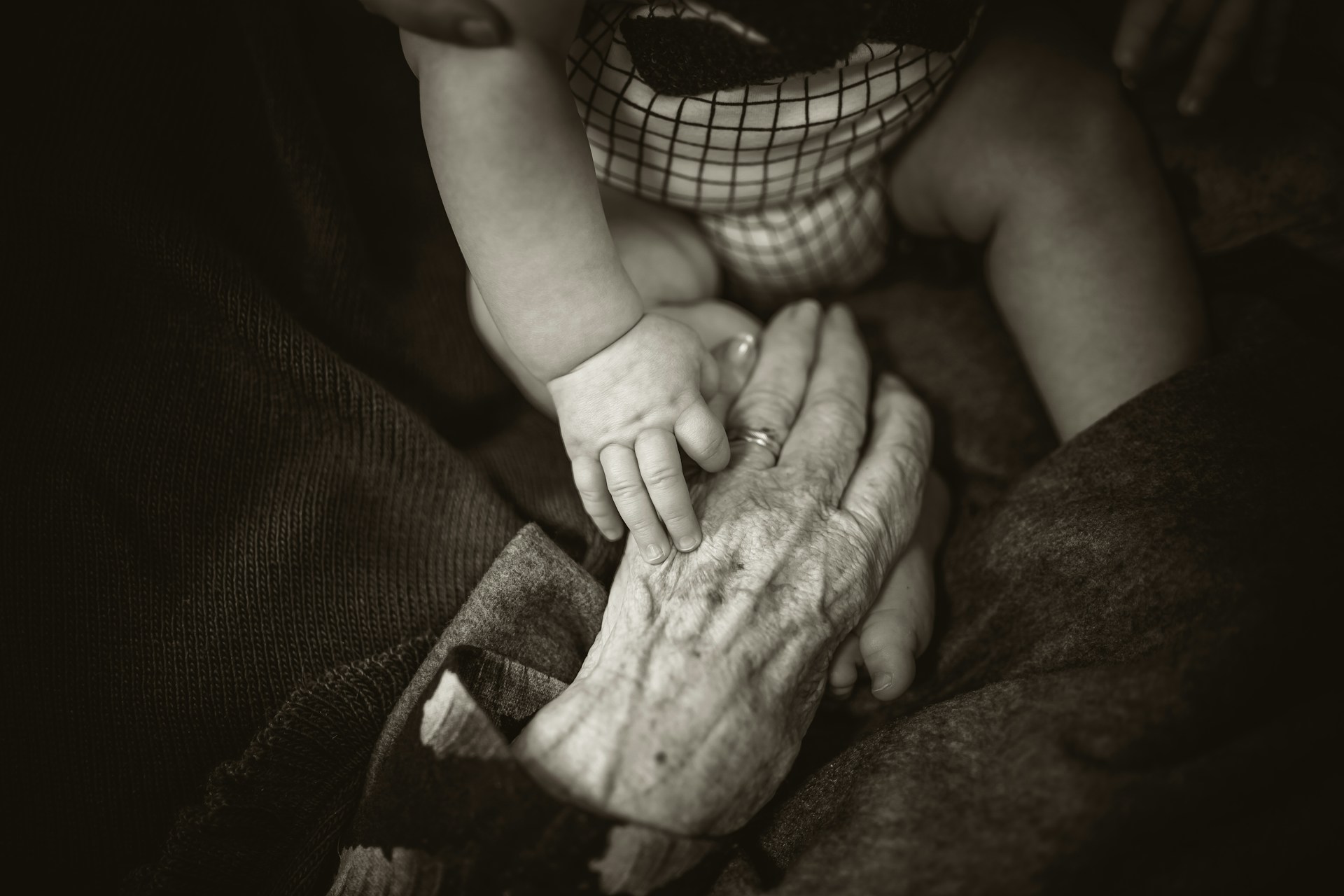
Ageing, in biological terms, is an inevitable phenomenon described as the ‘accumulation of a wide variety of molecular and cellular damage over time’, including to our immune system. We are not exclusively interested in living longer though. It is also important to consider the difference between the number of years lived (lifespan) and the number of years lived in good health (healthspan), known as the healthspan-lifespan gap. People on average are living longer, yet not necessarily healthier or happier lives. The global elderly population is projected to reach 2.1 billion by 2050, and prolonging life without improving its quality is expected to cause declines in quality of life and productivity, with immense pressure put on health and social care systems. Over the past 20 years, the combined costs of healthcare, reduced participation in work, and reduced work productivity due to age-related ill health has amounted to a shocking $47 trillion worldwide.
What happens to our immune system as we age?
This weakening of the immune system starts much earlier than one would usually think—at around age 20—and continues to progress with age.
Ageing causes the function of our immune system to worsen, which is why we become more vulnerable to a variety of infections and chronic diseases as we get older. We also see worse outcomes from these diseases. For example, COVID-19 tends to be more severe in older people compared to younger people, and the weaker immune function in this population explains why vaccines and quarantine measures were so important for older people. Age-related weakening of the immune system is a process first described in 1969 by Walford, who proposed ‘the immunological theory of aging’, which was then further developed into a concept called immunosenescence. This weakening of the immune system starts much earlier than one would usually think—at around age 20—and continues to progress with age. There are a variety of changes that occur which contribute to declining immunity, mostly summarised into four hallmarks: thymic involution, cellular metabolic changes, haematopoietic changes, and inflammaging.
As we get older, we begin to lose what is known as our adaptive immunity, which is the highly specific, targeted component of our immune response against a pathogen or cancerous cell. Adaptive immunity is also involved in memory formation, which allows our bodies to fight the same infection more quickly and robustly the second time round. The thymus is a specialised organ where diverse T cells are produced and matured. T cells in turn are involved in recognising antigens (foreign or abnormal proteins) on pathogens and cancer cells, which is critical for initiating the adaptive immune response. As we age, the thymus shrinks and changes its structure (thymic involution), meaning that there is a reduced production of naïve (undifferentiated) T cells, and therefore a loss of diversity. Weakened adaptive immunity results in a lower likelihood that a foreign antigen will be recognised and cleared by the immune system, increasing susceptibility to infection, whether that be bacterial or viral.
Furthermore, a major defect in older T cells is their reduced ability to properly repair damaged DNA, and this has been associated with autoimmune diseases. These cells also change metabolically: decreased energy production results in less T cell growth and cytokine production (small proteins that act as chemical messengers to coordinate the immune response), and these are fundamental processes that help us to fight disease. This is mediated by both the use of less efficient ATP generation processes, and a decrease in the number of mitochondria making ATP in general. Haematopoietic changes also occur—haematopoietic stem cells (HSCs) give rise to all our blood cells, and as we age there is reduced lymphoid differentiation and T cell production, and a subsequent decline in immunity.
As well as impaired responses to infections, ageing also makes vaccines less effective. Although the number of antibodies produced in response to an antigen is roughly the same overall, they do not attach to the antigen as effectively. This may partly explain why infections like pneumonia, influenza, and tetanus are more common and cause higher morbidity amongst older populations.
The immune imbalance
Interestingly though, we lose immunity that is useful whilst actually gaining immunity that eventually becomes harmful. In contrast to declining adaptive immunity, ageing leads to the enhancement of non-specific innate immunity, which explains the increasing prevalence of chronic diseases characterised by inflammation and tissue destruction in older populations. This is often known as “inflammaging” and usually begins in those over the age of 55. It is characterised by a shift from the lymphoid differentiation pathway of HSCs to the myeloid differentiation pathway, leading to increased production and proliferation of innate immune cells. There is also an increase in the production of inflammatory markers like CRP, TNF-alpha, and IL-6, and cellular damage driven by free radicals. There is widely confirmed evidence that the risk of developing chronic inflammatory diseases and autoimmune diseases such as rheumatoid arthritis, atherosclerosis, inflammatory bowel disease, and cancer increases with age. According to the Centers for Disease Control and Prevention, more than 75% of adults aged 35–64 have at least one chronic condition, and this increases to more than 90% among adults aged 65 and older.
Another interesting aspect of immunosenescence to consider is the change to our gut microbiome, which has only been studied more recently. The human gut microbiome is the collective term for the bacteria, archaea, fungi, and viruses that live in the digestive tract. A healthy gut microbiome is important for fighting infections and preventing chronic diseases, by limiting the growth of dominant microorganisms. As we age, weakened immune surveillance allows these microorganisms to spread and outcompete their beneficial neighbours, reducing the protection against disease.
How can we combat this phenomenon?
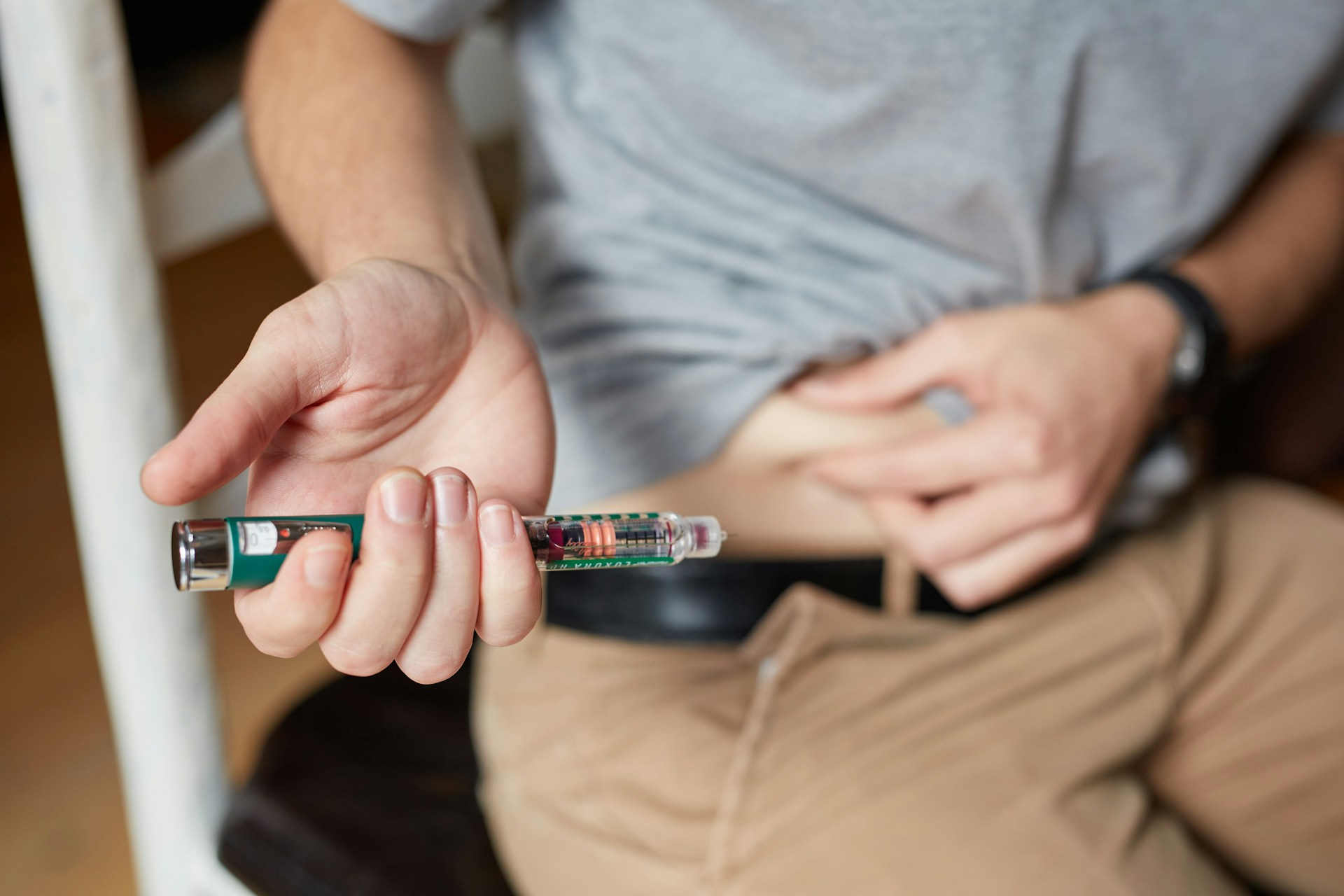
There are strategies being developed to overcome the age-related changes in immunity, to increase the lifespan and healthspan of older adults. For example, vaccines specifically made for older adults are available and have been shown to provide greater protection from viral infections such as the flu and respiratory syncytial virus (RSV). These vaccines can be made more effective in different ways—some have higher antigen concentrations to stimulate a stronger immune response, whilst some are mRNA vaccines which deliver mRNA into the target cells, and this mRNA is then used to make the antigen. Compared to some traditional vaccine types, particularly inactivated vaccines, mRNA vaccines often generate stronger cellular (T-cell) responses, although this does vary depending on the specific vaccine and pathogen. Other vaccines are adjuvanted: adjuvants are substances that increase the size and duration of the immune response to an antigen.
Compared to some traditional vaccine types, particularly inactivated vaccines, mRNA vaccines often generate stronger cellular (T-cell) responses…
A key aspect of ageing is the accumulation of senescent cells, which are cells that no longer divide but remain alive, contributing to damage of neighbouring healthy cells by releasing inflammatory molecules. There is now an advancing class of drugs called senolytics, which destroy these senescent cells by shutting off the survival pathways that keep them alive. They appear to delay many age-related diseases and enhance lifespan in animal models, and there is now hope that these treatments can be translated to humans. Early clinical trials have shown effectiveness in reducing age-related conditions in humans, such as Alzheimer’s disease, chronic kidney disease, and osteoarthritis, and these could be combined with immune modulators to further increase efficacy. Despite showing promise, the development of senolytics is limited by several challenges. There are concerns around their off-target effects and toxicity in non-senescent cells, and it is very difficult to develop a “one-size-fits-all” senolytic due to variation of senescent cells between tissues and even within the same tissue. Additionally, if we do not also target the surrounding inflammatory microenvironment, senescent cells could continue to accumulate once treatment is stopped.
Older adults can also try to reduce the complications that come with ageing through lifestyle changes. One key habit is getting enough sleep: during the COVID-19 pandemic, scientists noticed that people who regularly slept for less than six hours per night tended to have more severe cases of the disease than those who slept for longer. One article emphasises the words of Jessica Lancaster, assistant professor of immunology and cancer biology at Mayo Clinic in Arizona: ‘Sleep is probably the most critical aspect of immunity, more so than diet or exercise’. Other factors include moderate exercise, which can increase the activity of immune cells, as well as eating a balanced diet, to obtain a variety of vitamins and minerals that enhance immune function (such as vitamin C) and immune cell proliferation (such as vitamin B12), among others.
Looking to the future in an ageing world
Understanding the processes that underlie the gradual weakening of the immune system over a lifetime is important.
A weakened immune system not only directly increases susceptibility to infections but can also contribute to the development of chronic disease. This reduces physical and mental function for many of these people, significantly reducing quality of life. Understanding the processes that underlie the gradual weakening of the immune system over a lifetime is important. Therapeutics that could effectively and safely reverse this aging-related immune decline would have a major impact on life expectancy and global health. In a world where people are living longer but not necessarily healthier, the fight to reverse these changes continues to close the healthspan-lifespan gap.
Edited by Phoebe Bedford, Sebastian Evans, and An-Nhi Huynh.