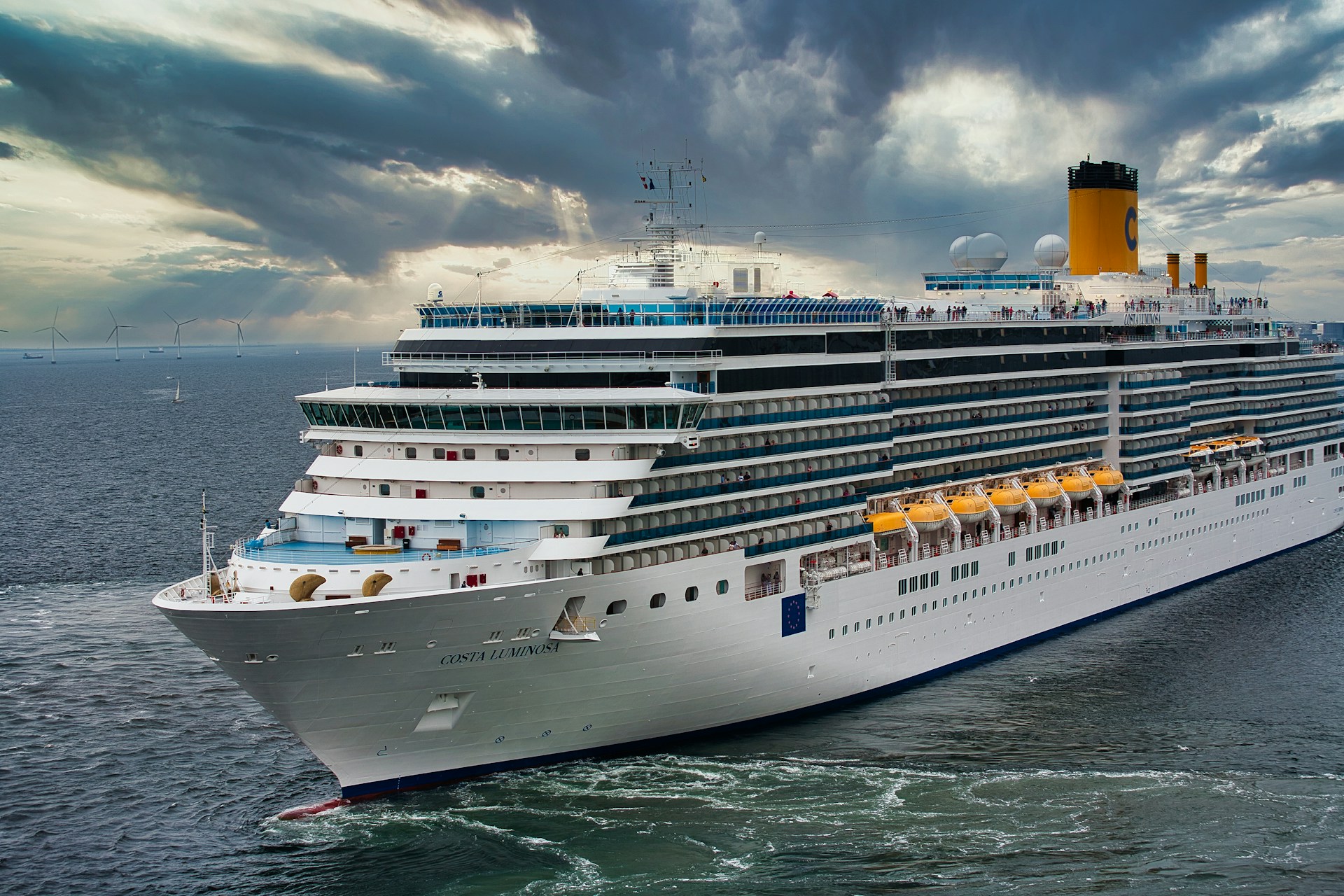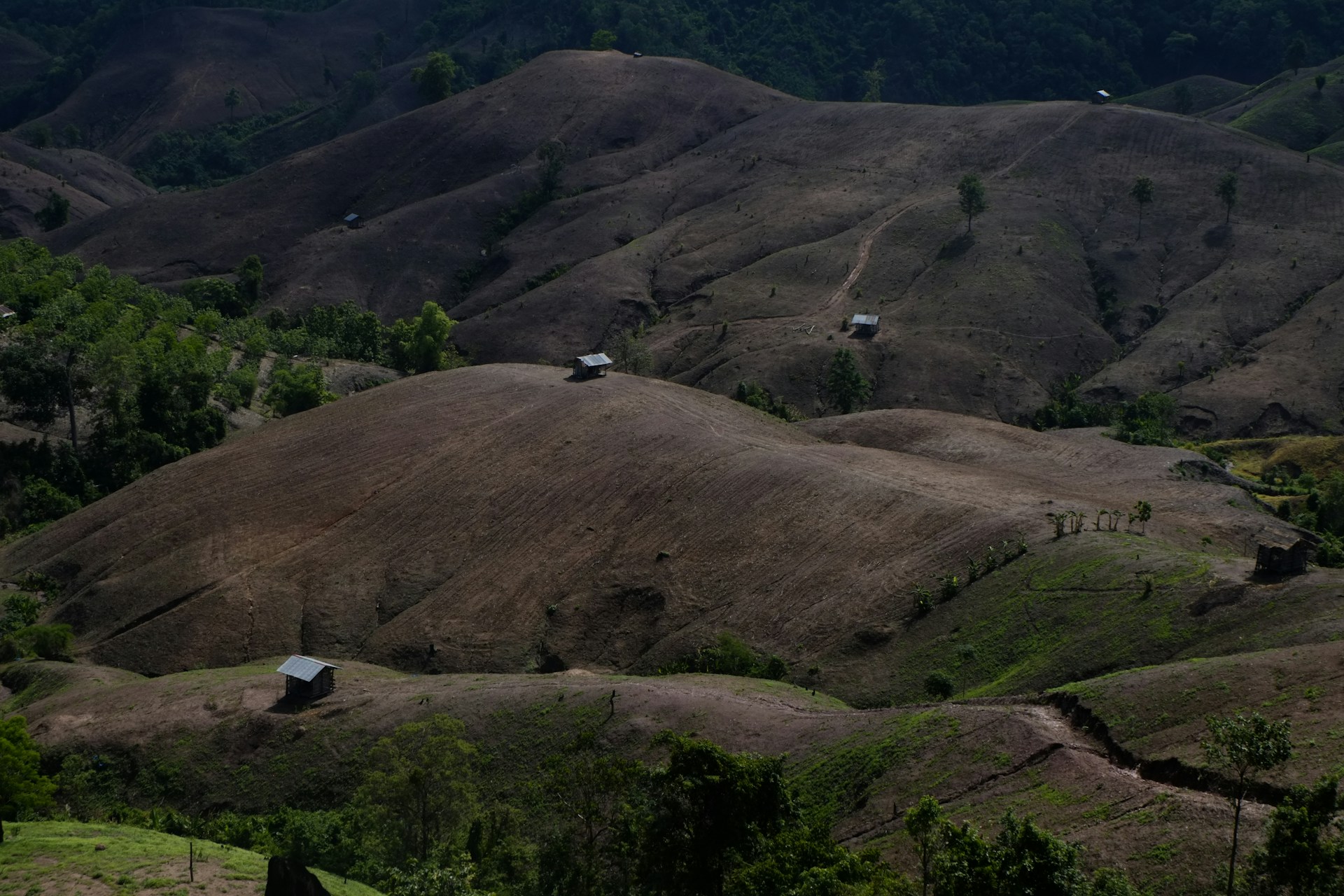
Behind the historic power-sharing deal in COP31 lies a story of diplomacy and political negotiation. Photo credit: Markus Spiske on Unsplash.
The Conference of the Parties (COP) is an annual climate summit where representatives from 197 nations…meet to discuss how to reduce emissions and advise on policy and adaptation strategies.
For the first time in its three-decade history, the United Nations’ annual climate summit will be split between two nations, a diplomatic compromise that reflects the political complexity underlying global climate negotiations. The Conference of the Parties (COP) is an annual climate summit where representatives from 197 nations, as well as the EU, meet to discuss how to reduce emissions and advise on policy and adaptation strategies. Some examples of key COP agreements include the 1997 Kyoto Protocol (an agreement aimed at reducing emissions by 5%) and the 2015 Paris Agreement (a treaty aimed at limiting global warming to well below 2°C). In 2026, COP will be hosted by two nations, Turkey and Australia. Turkey will host the summit, and Australia’s climate minister will be the vice-president of the conference. This unusual compromise underscores how political negotiation shapes even the procedural dimensions of COP.
A group of 28 states must come to a consensus on which country gets to host the next summit.
Selecting a COP host under the UNFCCC (the UN’s subdivision for climate action) is rarely straightforward. A group of 28 states must come to a consensus on which country gets to host the next summit. Nations put in bids to host for a variety of reasons. One is that the nation that chairs negotiations, usually the host nation, has immense influence over which issues get prioritised and how quickly negotiations move, allowing them to prioritise issues that directly affect them. Another factor is the global prestige associated with hosting, with nearly 200 nations attending, as well as many other important climate stakeholders, such as NGOs and charities. Hosting also allows countries to showcase their progress towards net zero.
For the 2026 event, COP31, both Australia (in collaboration with Pacific island nations) and Turkey placed bids to host the summit. Australia proposed hosting COP in Adelaide, aiming to represent Pacific island nations that are among the countries most affected by climate change. In addition, they wanted to showcase their clean energy transition as an exporter of green metals and green hydrogen. Turkey’s motivations differ. Its location between Europe, the Middle East, and Central Asia gives it a unique geopolitical position, allowing it to act as a bridge between developed and developing countries. Hosting COP also helps Turkey boost its international reputation on climate issues and attract investment to support its transition to renewable energy.
A stalemate emerged as neither country was willing to withdraw its bid. Under UNFCCC rules, this would have forced the conference to be held in Bonn, Germany. The German government was strongly opposed to this; they believed it would cause too many difficulties to organise an important global conference on such short notice. Eventually, Australia and Turkey came to an agreement during the final days of COP30 that Antalya, Turkey would be the host, while Australia would take a formal leadership role in negotiations. This compromise avoided the deadlock and ensured the conference could proceed, whilst reflecting the political difficulties with balancing global climate diplomacy.
COP31 will be very different from previous summits, principally due to the clear separation between the nations hosting and chairing. Turkey has appointed the president of COP31, Murat Kurum, who will be responsible for maintaining international relations, cementing a vision for the meeting, and ensuring all procedures are adhered to. Turkey will oversee the logistical and diplomatic aspects of the summit. Meanwhile, Australia’s climate minister, Chris Bowen, will serve as vice-president and lead the negotiations, giving Australia significant influence over the direction and pace of discussions. Pacific island nations will also play a role, with pre-COP negotiations being held in Fiji and Tuvalu hosting a special leaders’ component (a targeted summit hosted by the nation to allow world leaders to engage directly with local communities). This places these nations at the centre of negotiations.
Several issues have emerged during the planning of COP31. One significant issue is that Turkey, despite being in a key geopolitical position in climate negotiations, ranks near the bottom among European countries on several Sustainable Development Goal indicators. This raises questions about the symbolic implications of hosting a major climate summit in a country facing sustainability challenges, something that has occurred several times in COP’s history, such as in Dubai (COP28) and Baku (COP29). A bigger problem is the cross-continental aspect of the summit—meetings in both the Pacific and Europe increase the carbon footprint associated with diplomatic travel, which undermines efforts to promote sustainability. In addition, Pacific island nations expressed concern about this compromise, arguing that they should be at the forefront of climate discussions because their low elevation above sea level makes them the most vulnerable to the sea level rise associated with global climate change.
…COP31’s unusual power-sharing arrangement highlights that global climate diplomacy is shaped as much by geopolitical negotiation as by scientific urgency.
As the impacts of climate change intensify, COP31’s unusual power-sharing arrangement highlights that global climate diplomacy is shaped as much by geopolitical negotiation as by scientific urgency. Whether the compromise strengthens cooperation or exposes deeper issues in multilateral climate governance will become clearer as the conference approaches in November 2026.