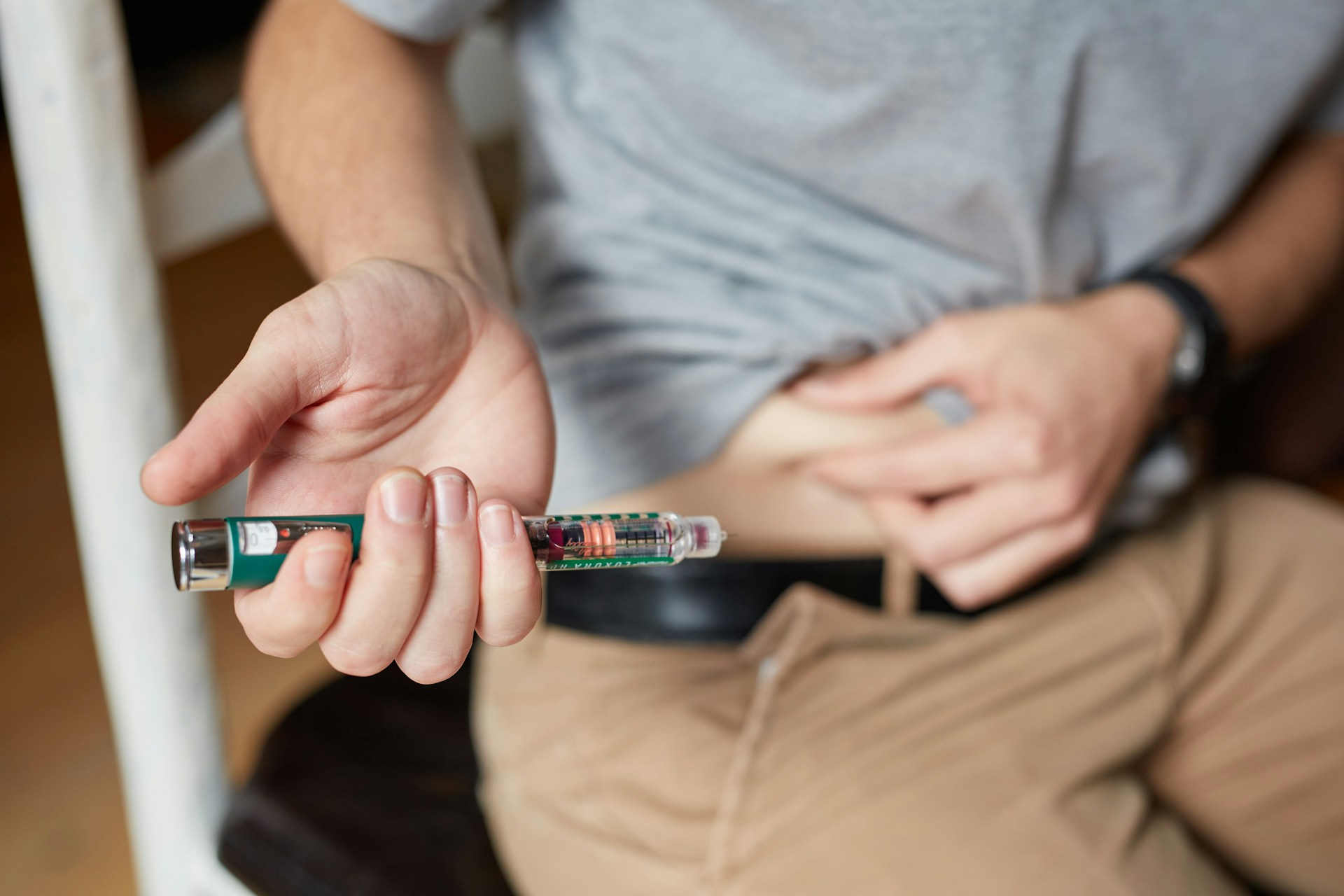
GLP-1 drugs have been hailed as a game changer in treating obesity, but are they really the miracle we have been waiting for? Photo credit: Sweet Life via Unsplash.
An introduction to obesity and weight loss
Now, obesity is recognised as a complex disease with multiple contributing factors such as genetics, sleep deprivation, and stress.
Obesity is a chronic disease associated with excessive body fat and an increased risk of conditions such as type 2 diabetes, metabolic dysfunction-associated steatotic liver disease, cardiovascular disease, and cancer. Obesity was long attributed to overeating and inactivity, and was viewed as a failure of willpower. Now, obesity is recognised as a complex disease with multiple contributing factors such as genetics, sleep deprivation, and stress. Environmental factors are considered a major cause of the modern obesity epidemic, with cases in adults more than doubling since 1990. Contributing environmental factors include the increase in the cost of living, which pushes consumers towards cheaper ultra-processed foods; the normalisation of increasingly sedentary lifestyles, intensified by COVID-19 and working from home; and limited access to healthcare and diet education.
Diet and exercise remain the recommended treatment for the 890 million adults living with obesity, but how effective are they? Long-term studies show that although many people lose weight initially, most regain it in as little as two years. During fasting, the stomach releases ghrelin, a hormone that increases appetite. Because dieting is associated with higher ghrelin levels, this can make weight loss difficult to sustain long term. Alternatively, gastric bypass surgery and other weight loss surgeries can maintain weight loss by reducing stomach capacity, while also disrupting ghrelin release, allowing the patient to feel less hungry. However, surgery has a multitude of health risks and limited availability. Could weight loss medications offer a safer, more effective solution?
A Cinderella story: from a diabetes medication to a weight loss medication
Diabetes is a group of conditions associated with hyperglycaemia (high blood glucose), which, if left untreated, can damage the nervous and circulatory systems. Blood glucose levels spike after eating. The body responds by releasing the hormone insulin, which promotes glucose uptake into muscle and fat tissue. Type 2 diabetes is a metabolic disorder in which the body becomes less sensitive to insulin, and is linked to chronic high blood glucose and poor diet. Lifestyle changes, diet, and exercise can be sufficient to manage the symptoms of type 2 diabetes. In more serious cases, metformin, which reduces glucose production, or insulin therapy may be prescribed to patients. GLP-1 receptor agonists were first developed as an alternative treatment of type 2 diabetes.
GLP-1 is a hormone released into the bloodstream in response to rising blood glucose after eating...its effects are closely tied to food consumption.
GLP-1 is a hormone released into the bloodstream in response to rising blood glucose after eating. It stimulates pancreatic cells to release insulin, but is broken down within 1.5 to 5 minutes, meaning its effects are closely tied to food consumption. GLP-1 receptor agonists (GLP-1 RAs) are compounds that mimic the hormone GLP-1, but have been modified to slow breakdown and remain in the blood for several days. Like endogenous GLP-1, these agonists stimulate insulin production only when blood glucose levels are raised. In contrast, several other diabetes medications stimulate insulin production continuously, increasing the risk of dangerously low blood sugars (hypoglycemia). By taking GLP-1 RAs, diabetic patients produce a greater amount of insulin in response to food, thus overcoming their reduced insulin sensitivity. Long-term studies of diabetic patients taking GLP-1 RAs have shown improved blood glucose, cardiovascular health, and perhaps most notably weight loss.
Multiple clinical studies demonstrate that GLP-1 RAs aid weight loss. For example, a 1.5-year study of nearly 2,000 obese participants taking semaglutide (Ozempic) showed an average body weight decrease of 15%. This may not sound impressive, but for the majority of participants this resulted in a typical loss of 15 kg, which is equivalent in weight to a medium dog or a 3-year-old child. Similarly, another study of tirzepatide (Mounjaro) found that at higher doses, participants lost an average of 21% of their body weight, equivalent to an average of 22 kg. This weight loss improves patients’ blood pressure and cholesterol levels, alongside lowering the risk of weight-associated conditions. It is undeniable that GLP-1 RAs are effective weight-loss medications, but how do drugs developed for diabetes cause weight loss?
GLP-1 receptors are found throughout the body, so these drugs affect more than the pancreas. GLP-1 RAs affect multiple parts of the brain, particularly within the region that controls autonomic bodily functions, like body temperature, thirst, and sleep. GLP-1 stimulates neurones associated with the feeling of fullness and suppresses neurones linked to craving and hunger, promoting a normal satiation response after eating. However, we often continue eating past the point of fullness for pleasure or boredom. GLP-1 further acts in the brain to reduce dopamine release. Dopamine is the brain’s reward or pleasure signal associated with eating, socialising, and exercise. GLP-1 RAs further reduce reward signalling, making indulgent food less satisfying, and helping to curb overeating.
GLP-1 RAs have been shown to act directly on the gut. In response to food intake, GLP-1 signals to the stomach to reduce ghrelin secretion, which is known to stimulate appetite. Therefore, patients treated with GLP-1 RAs do not experience the rise in ghrelin levels typically associated with an empty stomach, allowing them to fast for longer periods of time. GLP-1 acts on both the stomach and the central nervous system to reduce stomach contractions during digestion. This keeps the stomach stretched, causing the discomfort and bloated feeling associated with fullness. Treatment with GLP-1 RAs prolongs this effect, contributing to a loss of appetite.
Limitations of GLP-1 medications: the fall?
This delay in stomach emptying, while effective in reducing appetite, also underlies the most common side effect: nausea. Patient reports and clinical studies show that nausea usually subsides after a few weeks, although it can persist in some patients. Other common side effects include diarrhoea, constipation, and vomiting. However, discontinuation due to side effects remains low, perhaps because patients are willing to tolerate some discomfort to avoid the stigma associated with higher body weight. A study in Denmark found that patients were willing to continue treatment despite side effects that disrupted daily life. More concerningly, the study reported that some patients adjusted their doses, injection sites, and timing to manage symptoms. Rarer side effects include gallbladder disease, pancreatitis, and gastroparesis. The British Journal of Anaesthesia recently issued a statement highlighting the risks for patients taking GLP-1 RAs during surgery. Slower stomach emptying means standard fasting periods may not be enough to prevent stomach contents from entering the lungs during sedation. Another concern is that delayed stomach emptying may affect the absorption of other oral medications. A systematic review found that, although this is true, the overall effect of the oral drug is usually unchanged in patients taking GLP-1 RAs.
A retrospecitve study of over 150,000 patients found that GLP-1 RAs increased the risk of depression by 195%, anxiety by 108%, and suicidal behaviour by 106%.
The marketing and popularity of GLP-1 RAs have led to many symptoms being shared on social media. However, many of these claims may be overstated. For example, “Ozempic face” refers to facial sagging and a more aged appearance, but this can happen with any rapid weight loss, alongside muscle mass loss. By contrast, reports of “Ozempic personality” or “Ozempic zombie”, referring to symptoms such as lethargy and low mood, may be a more genuine concern. A retrospecitve study of over 150,000 patients found that GLP-1 RAs increased the risk of depression by 195%, anxiety by 108%, and suicidal behaviour by 106%. A literature review examining the effects of GLP-1 RAs on mental health corroborates a possible link with increased depression, but also notes important study limitations and the need for further research, particularly regarding multiple mental health diagnoses and suicide risk. This behavioural change is thought to be linked to GLP-1 RA effects on dopamine signalling. Alongside reducing the pleasure of food, these drugs may also dampen the brain’s reward system more broadly, which could reduce motivation and affect quality of life.
If managed correctly, this effect on the brain’s reward system could help treat addiction beyond food. Early reports of reduced alcohol and nicotine cravings first prompted interest in the potential use of GLP-1 RAs to treat addiction. Research is now exploring use in substance abuse disorders and gambling with promising results. However, people with substance use disorders may already be underweight or malnourished, so further weight loss could be harmful.
Much like Cinderella at midnight, the effect may not last: growing evidence suggests that many patients regain much of the weight once treatment stops. A meta-analysis of 48 studies found that, on average, people regained about 60% of the weight they had lost while taking GLP-1 RAs within a year of stopping treatment. Similarly, cardiovascular health and imrovements in blood glucose tend to return to pre-treatment levels. Weight regain occurs as the appetite-suppressing effects wear off after treatment stops, and may occur at a faster rate than after conventional dieting.
Annual costs without insurance range from £6000 in the US and £1500 in Europe… lower income groups, who are reportedly at higher risk of obesity-related illness, may be unable to access treatment.
Around half of patients stop treatment for financial reasons, as annual costs without insurance of range from £6000 in the US and £1500 in Europe, depending on the country. The NHS will prescribe free of charge for patients with a BMI over 35 or with obesity-related medical conditions, but this is capped at two years of treatment. Costs vary by dosage, delivery method, and intended purpose with obesity-labelled products often costing 1.5-2.8 times more than diabetes-labelled equivalents. This is contributing to health inequality, as lower income groups, who are reportedly at higher risk of obesity-related illness, may be unable to access treatment. Improving access could ultimately reduce the financial burden of obesity on the NHS by £1 billion and boost the economy with more people living longer, healthier lives. Instead, there is increasing demand from healthy but weight anxious customers, typically white, female, and of high socioeconomic status. For example, in Japan, a nation with extremely low obesity is seeing a rise in self-funded treatment. Demand from genuine patients and private customers is driving an unregulated off-brand market for GLP-1 RAs which are associated with formulation errors, contamination, adverse effects, and higher rates of hospitalization. Rather than challenging fatphobia, weight-loss medication may be reinforcing it, even if it gives patients more control over their health.
Alternatives to GLP-1 medications for weight loss
Ironically, GLP-1 RAs are still widely seen as cheating when it comes to weight loss. This article highlights that, although effective for weight loss, GLP-1 RAs can be physically, mentally, and financially challenging. Those struggling with obesity and interested in taking GLP-1 RAs are recommended to seek advice from healthcare providers. As obesity is a chronic condition, experts stress the importance of therapy and ongoing medical support, after weight loss. Governmental policy changes are required to address the environment promoting obesity. Recommendations include voucher incentive programs to improve access to healthy food, urban planning to promote walking, cycling, and recreational physical activity, zoning laws to restrict the density of fast food outlets in community hubs, and investment in long-term weight management by healthcare providers.
Despite the limitations of GLP-1 RAs, it is clear that they are an invaluable tool for weight loss, but not the “wonder pill” we have been sold.
A common theme in GLP-1 RA patient accounts is the happiness they feel from being “normal” and the improvements in their physical health. However, this relief is often accompanied by a stronger fear of weight regain. Despite the limitations of GLP-1 RAs, it is clear that they are an invaluable tool for weight loss, but not the “wonder pill” we have been sold.
Edited by Nicola Kalita, Mia Clark-Webb, and Madeleine Trussell.