With the increasing temperatures in recent summers, many people have turned to air-conditioning to keep them cool. However, this is not without its disadvantages. Photo credit: Prasopchok via Unsplash
It’s safe to say that summer 2026 was a scorcher. Crowned by the Met Office the sunniest summer to date, the heat waves wreaked havoc on crops, public transport, and even human health. Many turned to room fans and mobile AC (air-conditioning), whose sales have reportedly increased by up to 300%. Furthermore, it is predicted that by 2050, 90% of UK homes will exceed temperatures of 27 °C. Talk about overheating. Therefore, it is crucial to evaluate the use of AC and its role in protection from heat and contributing to the vicious cycle of global warming.
Consequences range from heat exhaustion and heat stroke to cardiovascular, respiratory, and kidney diseases.
It is estimated that by 2030, 500 million people will be exposed to extreme heat for at least 30 days a year. The dangerous heat threshold is defined as more than 32 ºC wet-bulb globe temperature. This unit accounts for wind, solar radiation, humidity, and temperature. In other words, around 48 ºC when dry and 35 ºC during high humidity. On these hot days, research suggests that even 15 minutes spent beyond this limit can lead to heat-related mortality. Other consequences range from heat exhaustion and heat stroke to cardiovascular, respiratory, and kidney diseases.
In the US, average household AC use led to a 57% reduction in heat-attributable mortality. However, this greatly depends on location and income. A barrier to AC implementation is the cost of energy usage, with low-income households devoting 8% of (their) household electricity expenditure to AC (compared to 0.2 to 2.5% in high-income households). Further, low-income neighbourhoods are more exposed to urban heat island effects -the absorbance of heat by man-made materials used in paving and buildings. Combined with denser infrastructure, lower quality housing, and less access to green spaces, low-income neighbourhoods often experience “cooling poverty” – a lack of access to climate adaption solutions when in need.
Low-income neighbourhoods often experience “cooling poverty”
In England and Wales, 2700 deaths occurred from heat-related causes during May and June of 2026. The most vulnerable areas, as identified by the OS heat vulnerability index, are cities. Cities can be up to 10ºC warmer than the surrounding countryside due to urban heat island effects. The index identified inner London as at the greatest risk, containing 18 of the top 20 most vulnerable neighbourhoods. Central areas had higher vulnerability due to challenges linked to clustering and poorly ventilated housing. This was worsened with limited access to the outdoor environments, cooling spaces, income deprivation, and control over home cooling mechanisms (i.e. rented or owned accommodation). By addressing these factors, we can reduce heat vulnerability and identify areas most in need of climate-adaptation measures.
AC use, however, comes with significant drawbacks.
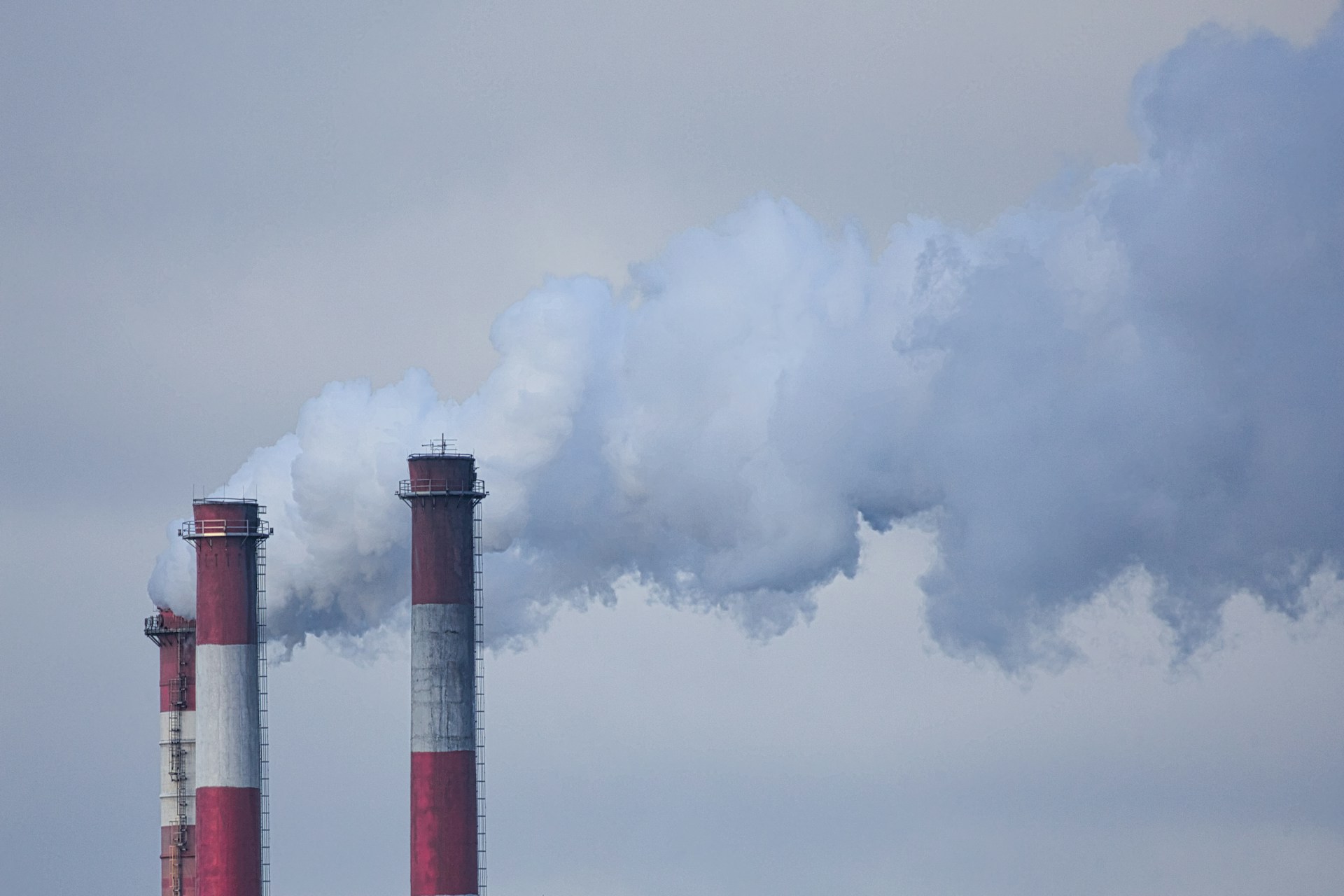
Currently, energy usage has been estimated to be twice that of the entire aviation industry. By 2050, energy use will soar as an estimated two-thirds of households worldwide may have an AC unit. Meeting this demand often relies on fossil fuels, which release harmful particulate matter, contributing to between 0.03–0.07°C of further warming.
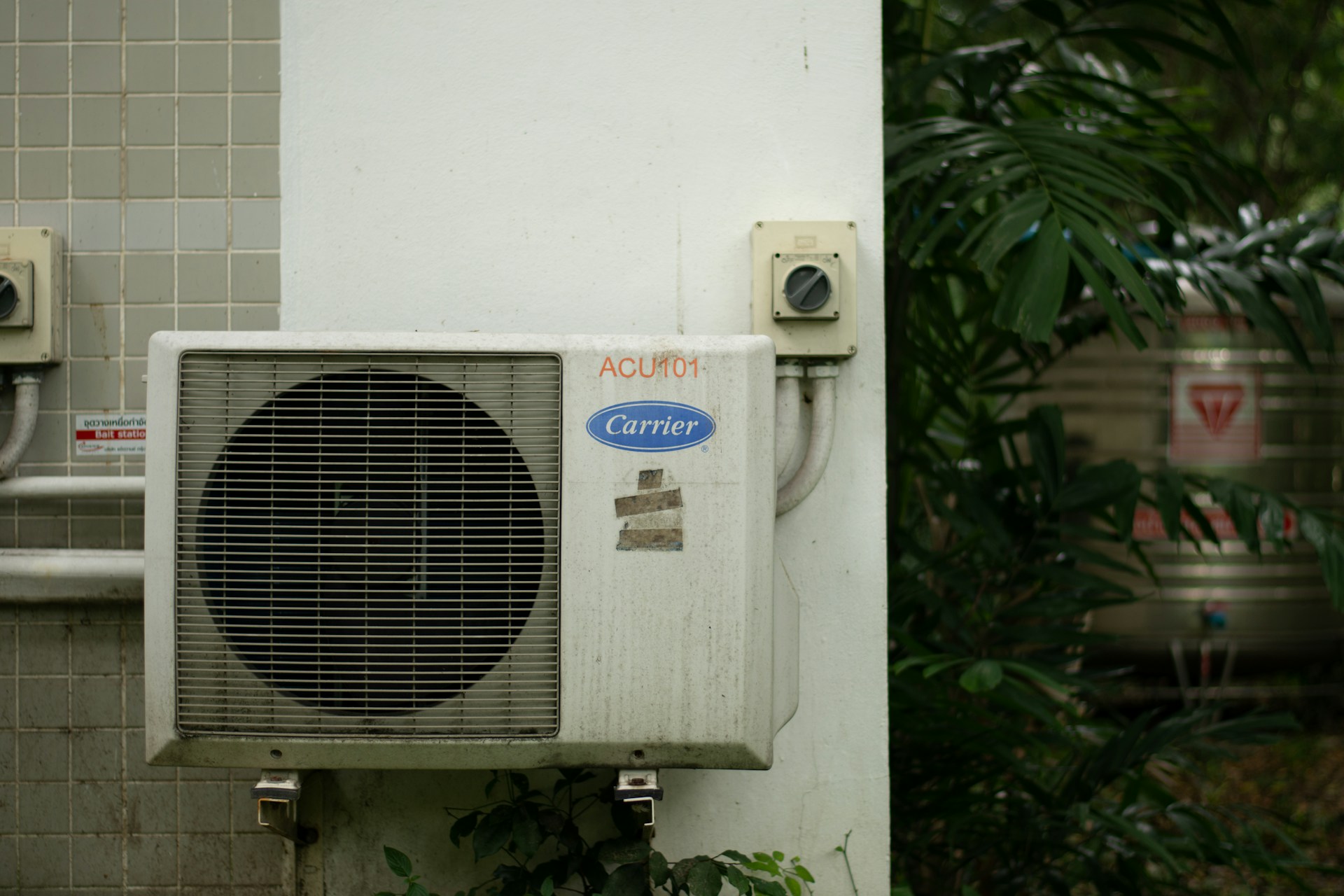
Another intrinsic issue with the physics of AC is that it creates disparity. AC works by moving hot air into the outdoor environment. This heat spreads and creates problems for neighbouring areas, which become warmer. This is particularly an issue in less affluent areas which may have economic barriers to implementing AC. Consequently, people may turn to cheaper, less efficient AC units . This halves efficiency and requires more electricity than market leading products. Conversely, high-income countries which have higher levels of AC use also experience drawbacks. Overuse saturates the health benefits of AC by interfering with physiological acclimatisation. With the body struggling to naturally cope with heat, the health of individual is impacted.
But how do we cope with extreme heat without AC?
Surprisingly, we might already have the solution. In museums, passively controlling air temperature used to preserve museum collections. With human health reaching the forefront, climate adaptation is not just for human comfort; we have other things to preserve. We can take measures including changing interior and exterior shutters, secondary glazing, and stack ventilation (large vertical spaces to allow heat to escape upwards through vents). Other designs can utilise natural heat sinks. For example, the ‘NightCool’ concept from the Florida Solar Energy Centre was designed to control airflow and maximise radiative cooling into to the night sky. Using a metal roof selectively linked to the rest of the house, via a cooling zone in the attic, they were able to revolutionise cooling.
Moving to outside spaces, the OS UK heat vulnerability index heat vulnerability is significantly influenced by proximity to so-called ‘green’ and ‘blue’ spaces. Living by the sea, I can personally attest to the cooling effects of blue spaces. The sea breeze and high thermal capacity of water means that heat is absorbed and subsequently lost by evaporation. To add, green spaces, such as rooftop gardens and city parks also contribute to cooling via transpiration (the uptake and release of water through plants) and shading effects.
And it’s not just external green spaces that make a difference. We can make buildings into green spaces. The use of the Virginia creeper plant, acting as a bio-shader in Brighton, reduced peak summer temperature by around 5°C. This is revolutionary in overcrowded areas where access to green spaces is limited.
Providing cool areas and green spaces are proven to provide positive effects mental health. Where cooling is essential to protect those most at risk, we should use efficient AC powered by renewables whenever possible.
We should consider that the UK is not among the most heat-vulnerable regions. Therefore, climate adaptation strategies should draw inspiration from around the world. A meta-analysis from the University of Oxford found that more than 95% of the most at-risk cities are located in South Asia and the Middle East, including major tourist hubs such as Bangkok. The Bangkok Metropolitan Authority (BMA) is leading the way in heat adaptation. Since 2022, the city’s government has created over 500 green spaces and introduced a ‘15-minute (walk to) park’ policy, as well as setting up cooling zones in health and sport centres. As a bonus, providing cool areas and green spaces are proven to provide positive effects mental health. Where cooling is essential to protect those most at risk, we should use efficient AC powered by renewables whenever possible.
The debate over widespread air-conditioning use is part of a much bigger problem regarding socioeconomic status and access to climate adaptation. Widespread AC is not the answer; it is expensive and energy intensive. Combined with fossil fuels, it only accelerates the problem. Instead, we need to limit further warming by investing in better-ventilated buildings, heat action plans, and improving access to green spaces to reduce our reliance on AC.
Widespread AC is not the answer; it is expensive and energy intensive.
Some ideas expressed in this article are opinion, and may not represent the opinion of The Oxford Scientist as a whole.
Edited by Mathilda Lang, Valerie Ho and Eimaan Butt