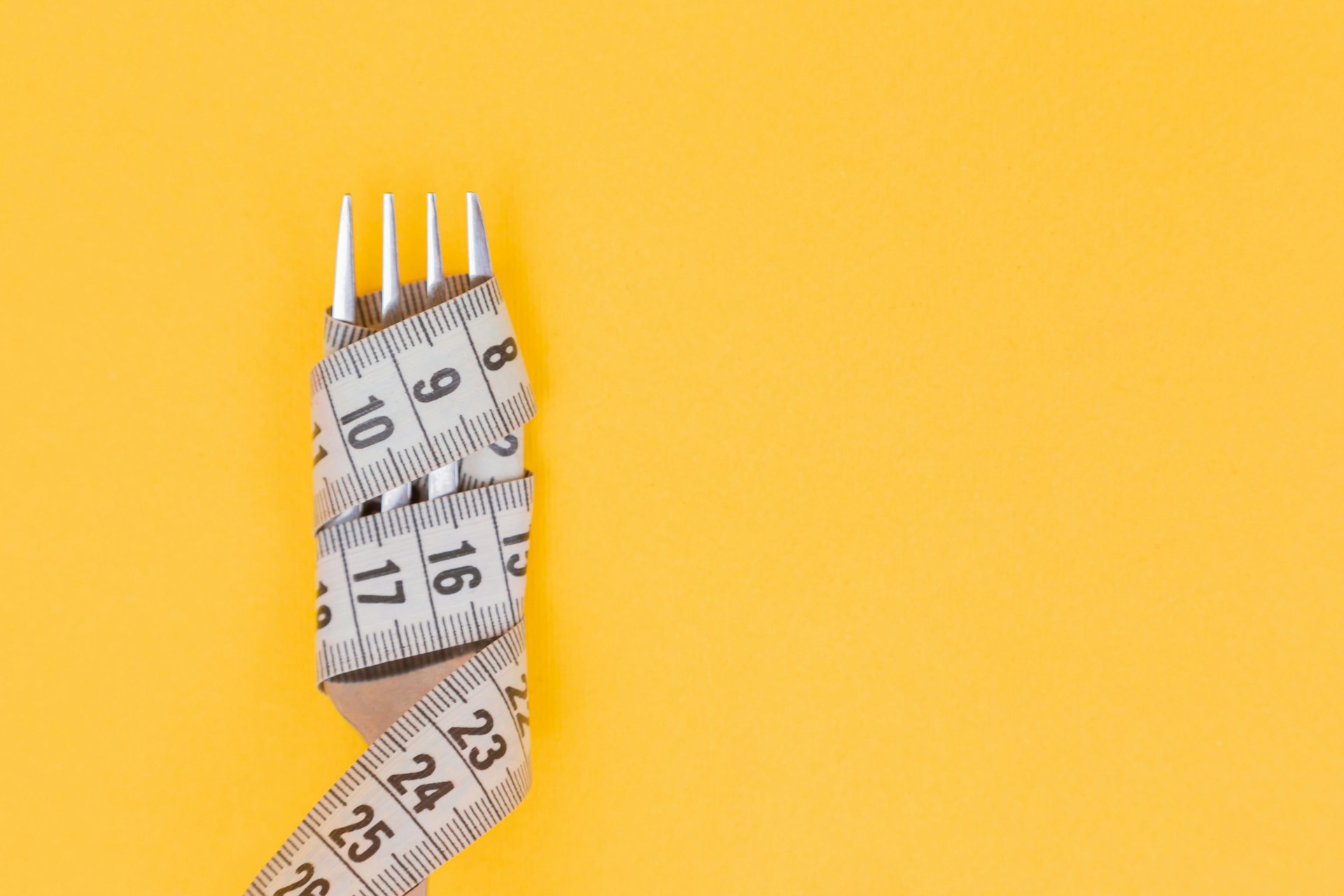
GLP-1 drugs are reshaping healthcare, but their impact extends far beyond medicine. Photo credit: Diana Polekhina via Unsplash.
GLP-1 receptor agonists, or “GLP-1s”, have drastically changed the way we think about weight and health. First licensed for the treatment of type 2 diabetes in 2005, they have become hugely popular in recent years as a weight loss agent, and are now used by around 12% of all Americans. GLP-1s are undoubtedly effective in treating obesity, and are associated with a reduction in all obesity-related comorbidities, including cardiovascular disease, sleep apnoea, and premature death. Nevertheless, their almost-constant presence in the media and vague promises to make you ‘happier’ and ‘more confident’ suggest a darker side to these drugs, in which they are touted as a rapid solution to every problem. As their popularity grows, the challenge is to continue exploiting their health benefits whilst remaining aware of the cultural and ethical questions that their use poses.
GLP-1 receptor agonists, or “GLP-1s”…have become hugely popular in recent years as a weight loss agent, and are now used by around 12% of all Americans.
GLP-1s are agonists of the GLP-1 (glucagon-like peptide-1) receptor. This receptor can be found on the insulin-producing beta cells of the pancreas, in the gastrointestinal tract, and in the central nervous system. Binding of GLP-1s to these receptors stimulates increased insulin release from the pancreas, which enhances the ability of cells to take up glucose from the blood. It is this mechanism of GLP-1 action that is used in the treatment of type 2 diabetes, a chronic lifestyle-induced condition in which the body’s ability to deal with glucose is impaired.
Their role in stimulating weight loss is more complex. GLP-1 agonists in the gastrointestinal tract can reduce the rate of gastric emptying, slowing the movement of food through the digestive system and creating a feeling of fullness. They can also promote neural pathways that signal satiety and inhibit those signalling hunger, causing a reduction in appetite. Initially, this change in satiety signalling can cause unpleasant side effects, primarily vomiting, constipation, and diarrhoea. Persistence with the treatment, however, can result in the loss of 15-20% of body weight within the first year.
GLP-1s are not a cheap treatment option: if all clinically-eligible patients were to take them, the estimated cost to the NHS would be £3.1 billion per year. As such, the current NICE recommendations for prescriptions are tightly regulated, with patients requiring either a BMI exceeding 35 kg/m2 or a BMI exceeding 30 kg/m2 with at least one weight-related comorbidity (although this can vary, and the minimum BMI is often higher in some regions of the country with less access to weight management services). Instead, the majority of patients in the UK access these drugs privately through online pharmacies or weight-loss companies, charging upwards of £160 per weekly dose of Mounjaro (a dual-acting GLP-1 and GIP agonist). Since patients may continue using GLP-1s for an indefinite period of time, this can equate to over £8000 per year. This is around a quarter of the median annual income in the UK, making it unattainable for a large proportion of the population.
This sizeable private market for GLP-1s poses a significant barrier to achieving health equality in the UK. There is an existing correlation between lower socioeconomic status and a higher BMI, likely due to the greater calorie-to-cost ratio of highly-processed and high-fat foods, and also the fact that those from lower-income households may have less time for exercise and recreation. If wealthier individuals also have greater access to GLP-1s, this creates an unfair dynamic in which the rich get healthier and the poor get heavier, reducing their earning potential and further increasing financial inequality.
The online market for GLP-1s is also significantly under-regulated and over-advertised. Most sellers state that patients require either a BMI exceeding 30 kg/m2, or exceeding 27 kg/m2 with weight-related comorbidities, to be eligible, but there are multiple reports of patients lying to gain access to these drugs. A BBC article found that two online pharmacies prescribed the medication to undercover reporters without ever asking for photo or video confirmation of the patient’s weight. Similarly, a Channel 4 Dispatches investigation found that GLP-1s could be prescribed to under-18s without photo ID. The lack of appropriate checks is concerning in itself, as GLP-1s are associated with significant side effects that could be dangerous for those without a clinical need for the drugs, but what is more concerning is that patients are willing to lie to access these powerful weight-loss medications.
GLP-1s are associated with significant side effects that could be dangerous for those without a clinical need for the drugs…
The advent of GLP-1s, whilst beneficial for those who truly need them, has arguably created a refocus on body weight and shape. The existence of a medical intervention for weight suggests that it is not only a problem, but one that can now be theoretically “solved” by anyone willing to pay the price. And these drugs often promise to change more than your body shape—in the process of researching this article I was inundated by adverts showing primarily young, already healthy-looking women describing how they’ve ‘become a better version of [themselves]’ and experienced their ‘confidence returning’ after beginning weight-loss medications.
This association between weight loss and an increase in patients’ sense of self-worth points towards a damaging trend in fashion and beauty standards. Society’s beauty pendulum appears to have swung back towards a ‘thin is in’ attitude, and young people in particular seem to be increasingly feeling the pressure to have a body that meets these ever-narrower expectations. The ease of access and efficacy of GLP-1s now mean that it is almost seen as lazy, or even as a moral failure, to be overweight. Indeed, some believe that GLP-1s have the potential to ‘eradicate an entire social group’, stigmatising the obese or overweight state to such an extent that individuals feel it is no longer possible to exist in a larger body.
This is especially concerning for people with eating disorders, to the extent that the Royal College of Psychiatrists have issued a statement discussing the risk of GLP-1 availability and advertising as a potential eating disorder trigger. For people with these conditions, the suggestion that weight loss is a route to essentially solving all insecurities could result in inappropriate usage of weight-loss drugs. This poses a real risk of health problems, including electrolyte imbalances, cardiac dysrhythmias, and reduced bone density.
Even for people at a lower risk of developing eating disorders, consistent exposure to weight-loss marketing is damaging our sense of what “health” is. Whilst GLP-1s can alter appetite and insulin production, they don’t address the underlying causes of weight gain or change unhealthy attitudes to food and exercise. Increasingly sedentary lifestyles, poor access to fresh or unprocessed food, and insufficient health education has resulted in a significant rise in the proportion of the population that can be classified as overweight or obese. By offering GLP-1s, instead of supporting patients to make healthier, long-term lifestyle changes, it is possible that these patients may indeed lose weight but instead become malnourished, as the little food they do eat is nutritionally poor.
Whilst GLP-1s can alter appetite and insulin production, they don’t address the underlying causes of weight gain or change unhealthy attitudes to food and exercise.
There is also a strong correlation between mental health problems and obesity, with each disorder influencing the other, and ultimately leading to an increase in weight as patients may eat for comfort, or lack the motivation to carry out exercise. GLP-1s can mask the consequences of these problems, but this masking may prevent the patient from seeking the psychological support they actually need. As such, without studying these diverse causes of obesity and instead letting GLP-1s become the mainstay treatment, those who cannot take them for several reasons (e.g., intolerance or lack of response to the drugs, insufficient funds to purchase them) risk being left behind to continue gaining weight without medical assistance.
Using GLP-1s as a “quick-fix” remedy for obesity may be acceptable whilst patients are actively taking medication, but once they stop, they regain an average of 60-75% of the weight within the first year as these factors come back into play. Some of this weight regain is due to a rapid rise in appetite signalling in the brain, resulting in excessive hunger signals, which can lead to over-eating and craving of high-calorie foods. Slowing of the metabolic rate following weight loss also adapts the body to become better at storing energy and less efficient at burning it. When more energy is then taken in, the body is less able to utilise the fuel, resulting in it being stored as fat. If the underlying drivers of obesity are also not dealt with whilst patients are on these drugs, through interventions like psychological therapies or advice from dieticians, these may also contribute to rapid weight regain upon cessation of the medication. This essentially offers the patient no long-term advantage, and could potentially worsen mental health since there is a sense of guilt around “failing” to keep the weight off.
…they demand respect and a continued awareness of the different ways in which a body can be “healthy”.
Ultimately, GLP-1s are highly powerful weight-loss tools, which may revolutionise the treatment of obesity when used in an appropriate context. If used correctly in patients with a high BMI, weight-related comorbidities, and alongside sufficient support from primary care coordinators, GLP-1s may help patients permanently change their attitude towards food and their bodies, resulting in long-term weight loss and an improvement in mortality and morbidity. Nevertheless, they demand respect and a continued awareness of the different ways in which a body can be “healthy”. We must take care to not simply associate thinness with health and even moral superiority, and instead understand that an individual’s weight is the product of their genetics, psyche, and environment.
Some ideas expressed in this article are opinion, and may not represent the opinion of The Oxford Scientist as a whole.
Edited by Eva Knightley, Mia Clark-Webb and Zohar Steinberg.