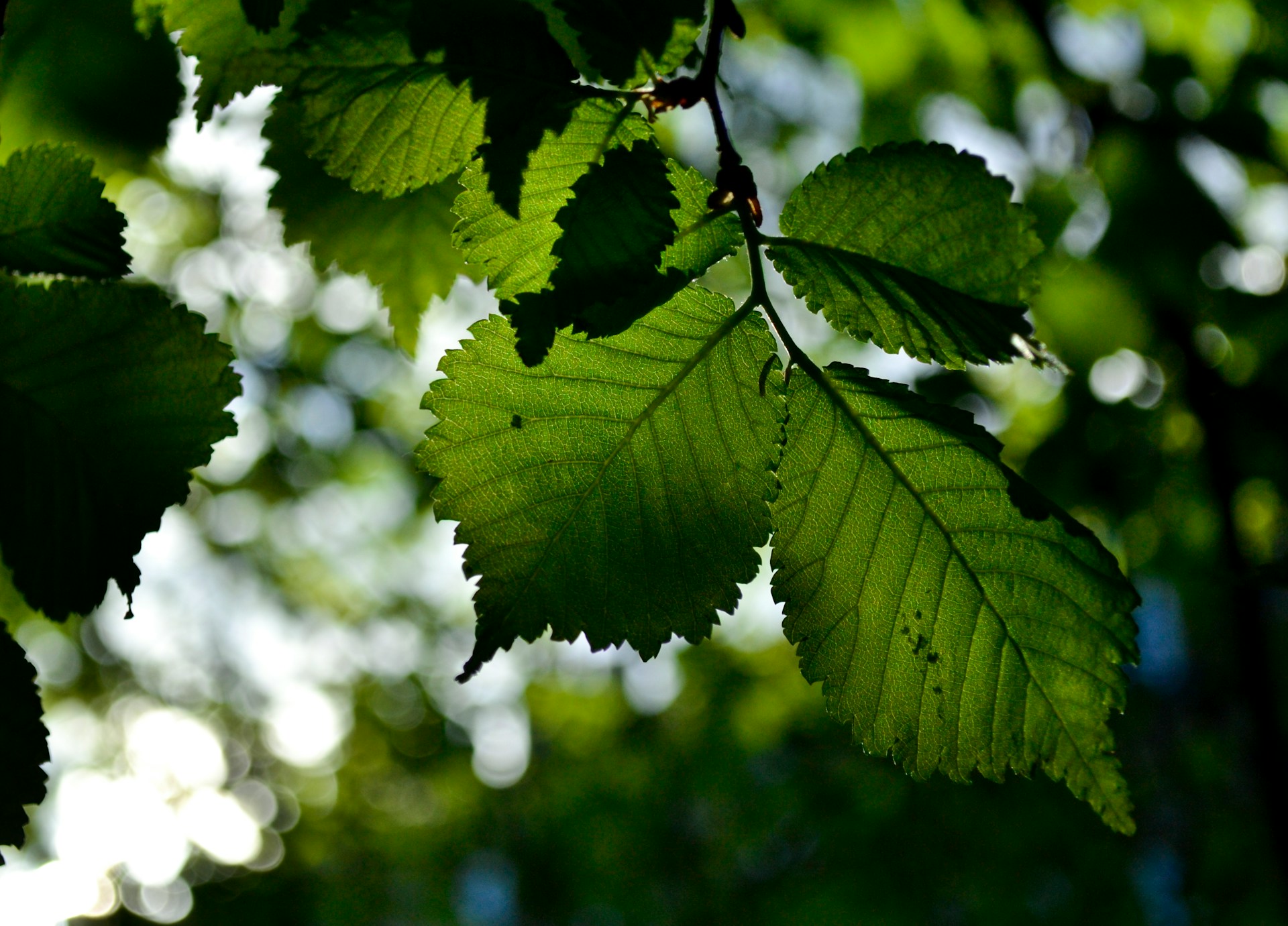
A farmer-led project in southern England is quietly reshaping how conservation, agriculture, and communities can work together at a landscape scale. Photo credit: Chris Flexen on Unsplash
The Weald to Waves project, founded in 2022, is a farmer-led nature restoration project…a regenerative agricultural movement restoring biodiversity to farmland without harming functional food production.
Wildlife has become dangerously fragmented across Britain—many populations are in critical states, without the ability to recover, due to the small, isolated areas we have confined nature to. It is vitally important that we work to restore and connect areas of land before more species become extinct. The Weald to Waves project, founded in 2022, is a farmer-led nature restoration project, creating a 100-mile nature corridor from High Weald to the Sussex coast. The project is a regenerative agricultural movement restoring biodiversity to farmland without harming functional food production. I was fortunate enough to speak to Gareth Williams, project lead of Weald to Waves, about this exciting endeavour.
The Industrial Revolution marked the change of Britain from an agricultural to industrial society, bringing rapid advances to society but devastating environmental damage, as waste was dumped into rivers and cities sprawled. From here on, we have forced wildlife to live on the fringes of our food production as the post-war Green Revolution introduced new chemical practices to keep pace with the growing population. Furthermore, transport links, housing development and our culture of “tidy” green spaces has led to Britain becoming one of the most nature-deprived countries in the world, requiring urgent nature recovery.
A large population is key to the long-term survival of any species. If populations are small and isolated, then inbreeding increases and deleterious mutations can accumulate, leading to poorer health and population decline. Britain’s wildlife species have been fragmented leading to a 19% decline since 1970. Farmland birds have shown a particular decline: a RSPB survey from 2019 to 2024 observed a 13% population decline for farmland birds such as tree sparrows, yellowhammers and lapwings. Weald to Waves will boost populations of farmland birds by connecting populations through the wildlife corridor and diversifying habitat areas.
The project provides farmers with an ecological assessment to identify habitat diversity on the farm, enabling tailored nature restoration.
James Baird, founder of the Weald to Waves project, previously ran a conventional farm in Sussex, but on a trip to Borneo he witnessed the destruction of nature caused by habitat fragmentation and intensive agricultural practises. He decided a change had to be made in Britain. James collaborated with like-minded farmers, Isabella Tree and Charlie Burrell of Knepp estate, to create the Weald to Waves project. Both farmers and landowners can pledge their land to the project for free. The project provides farmers with an ecological assessment to identify habitat diversity on the farm, enabling tailored nature restoration. Whilst providing a lifeline for nature, these nature restoration practices also increase the flood resilience and soil health of the participating land. Gareth explained that nearly 1/3 of the 75,000-hectare goal within the corridor has been pledged so far. Coordinating the nature restoration work alongside the general functioning of the farms means that both can coincide peacefully.
Since rewilding started in 2001, the Knepp estate is now home to the largest population of Purple Emperor butterflies, and more than 1,800 other insect species. Weald to Waves is using the same principles proposed by John Lawton in his 2010 Making Space For Nature report to recover nature by creating ‘more, bigger, better, and joined up’ spaces for wildlife. It is still early for the Weald to Waves project to be recording their own impact, but the results so far are promising. Gareth described that Partnerships with Wakehurst (home of the Millennium Seed Bank) and the Universities of Sussex and Brighton will ensure scientific measurement of biodiversity gains. Furthermore, the ‘more joined’ aspect of the project will have a wider impact across the county by creating resilient species populations in the face of climate change.
Finally, Weald to Waves strives to support farmers in the uncertainty they face due to financial policy changes. The government has been making changes to the way farmers and landowners are subsidised, aiming to promote more sustainable farming practices. The transition from the Basic Payment Scheme to delinked payments has been an upheaval for many farmers, since payments had been linked to land since 2003. Farmers were originally paid annually based on their acreage, with many small farms depending heavily on these payments to remain financially viable. However, the area of land farmed and money provided by the Rural Payments Agency are no longer correlated. Consequently, farmers need to apply to a suite of new environmental schemes where the money is being redirected. These changes have been hard to navigate for some farmers, leading to feelings of isolation from the government and public. By helping farmers to use these new funding schemes effectively, Weald to Waves increases nature restoration opportunities on farms.
Weald to Waves fills a void for many farmers who strive to help nature but have neither the guidance nor resources to do so.
Gareth explained that the project hopes to ‘shine a light on the positive things that are happening in farming’ and foster support for Britain’s farming industry. Weald to Waves is unique in its provision for connection between farmers and nature simultaneously. Ecology has taught us that, for effective population recovery, land needs to be not only restored but connected. Weald to Waves fills a void for many farmers who strive to help nature but have neither the guidance nor resources to do so. Gareth explained that the team are hoping to expand their impact by increasing the land being pledged and recording the subsequent biodiversity gains. Weald to Waves is creating a biodiversity corridor to rescue British wildlife species but will also be creating a corridor of hope-focused communication between farmers, the general public, scientists, and the government.